
Tag Archives | pain

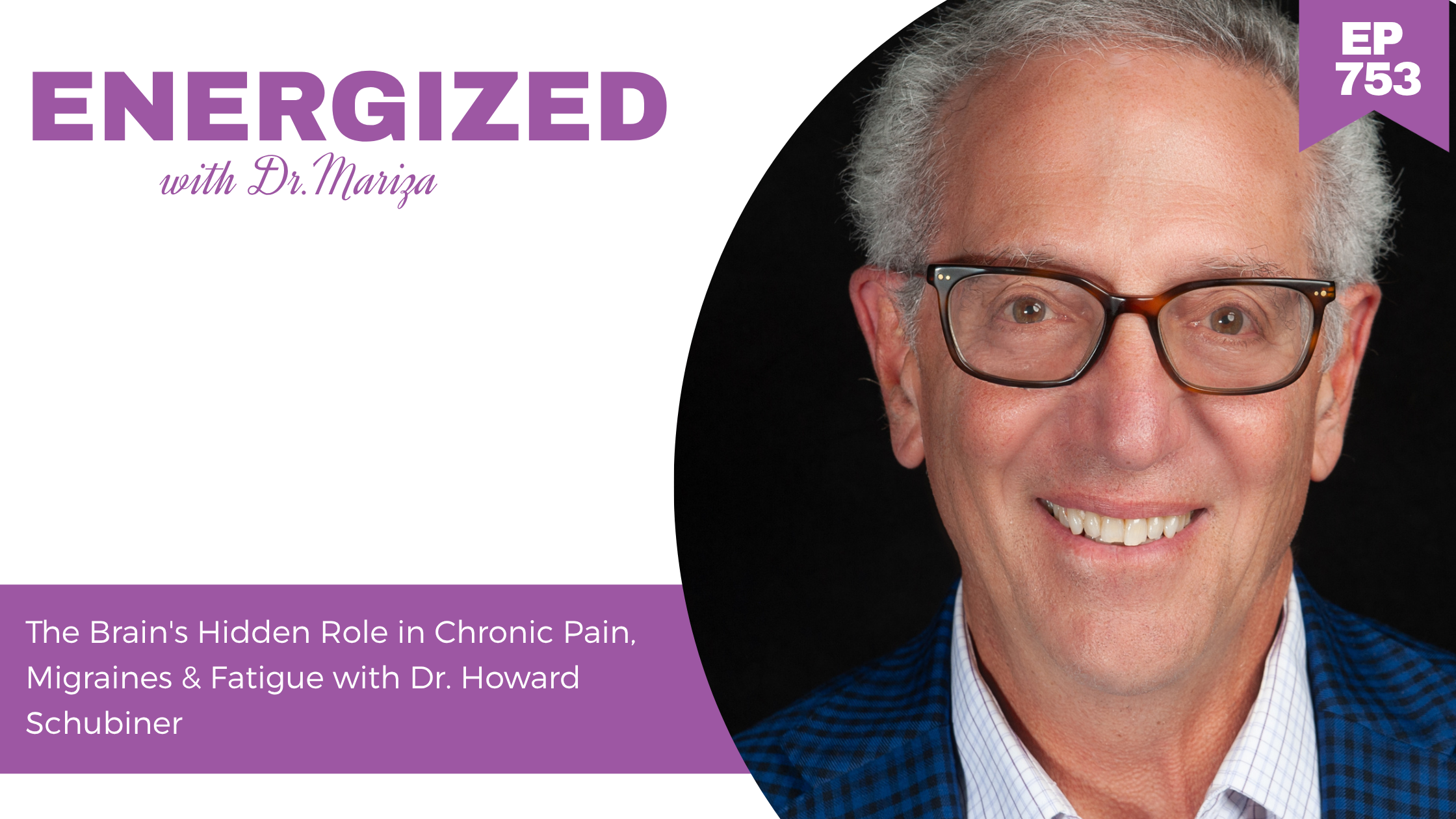
EP 753

753: The Brain’s Hidden Role in Chronic Pain, Migraines & Fatigue with Dr. Howard Schubiner

Listen to the Episode Here

Or, listen on your favorite app: iTunes (Apple Podcasts) | Stitcher | Spotify | Pocketcasts

Episode Summary

What if your chronic pain, migraines, anxiety, fatigue, IBS, or other persistent symptoms aren’t permanent at all?

In this fascinating conversation, Dr. Mariza sits down with Dr. Howard Schubiner, physician, researcher, and leading expert in neuroplastic symptoms, to explore a groundbreaking approach that is helping people reverse chronic pain and other conditions long considered lifelong and irreversible.

Dr. Schubiner explains how the brain creates pain as a protective danger signal, why emotional injuries can activate the same neural pathways as physical injuries, and how unresolved trauma, chronic stress, adverse childhood experiences, and self-silencing can contribute to chronic symptoms years or even decades later.

Together, they discuss the growing body of research around neuroplastic pain, the connection between emotions and physical symptoms, and why many people continue suffering despite normal scans, medications, and conventional treatments.

Dr. Mariza also shares her own experience with chronic migraines, leading to a powerful live demonstration of how pain reprocessing techniques can begin shifting the brain’s expectations and neural patterns in real time.

This conversation offers hope for anyone who has been told they simply need to manage their symptoms for the rest of their life.

HOWARD SCHUBINER

Dr. Howard Schubiner is a physician, researcher, educator, and one of the leading voices in the field of neuroplastic symptoms. He is the author of Unlearn Your Pain and has spent decades helping patients recover from chronic pain, migraines, fibromyalgia, IBS, anxiety, chronic fatigue, and other conditions through evidence-based approaches rooted in neuroscience, emotional processing, and neuroplasticity.

IN THIS EPISODE

  1. What neuroplastic symptoms are and why they are often misunderstood
  2. How childhood experiences, trauma, and chronic stress can contribute to chronic pain
  3. Why migraines, IBS, fibromyalgia, anxiety, and fatigue may share similar brain-based mechanisms
  4. The powerful connection between emotions and physical symptoms
  5. How pain reprocessing therapy helps retrain the brain’s danger signals
  6. Why self-silencing and people-pleasing often show up in women with chronic symptoms
  7. The role of emotional awareness and expression in healing
  8. A live demonstration of changing neural pathways through visualization and safety signals

QUOTES

“Pain can be a message that our brain sends.”

“Emotional injury causes the same parts of the brain to light up as physical injury.”

“Chronic pain is not necessarily a life sentence.”

RESOURCES MENTIONED

Use code ENERGIZED and get 30% off on your first BATCH order

Get your copy of Dr. Howard Schubiner Newest Book now

Unlearn Your Pain Website

The Association for the Treatment of Neuroplastic Symptoms (ATNS)

Howard Schubiner Instagram

Howard Schubiner Facebook

RELATED EPISODES 

751: Bloating, Brain Fog & Hormone Chaos? Your Gut May Be the Root Cause with Dr. Cassie Smith

743: Why Your Heart Risk Changes in Menopause (And What You Can Do About It) with Dr. Jayne Morgan

717: “I Don’t Feel Like Myself Anymore”: The Mental & Emotional Reality of Perimenopause

741: Estrogen, Gut Health, Mitochondria, and Cardiovascular Health: What Changes In Perimenopause with Dr. Siobhan Mitchel

Free Download: Easy, Practical Tips to Get More Energy!

Download the free Energy-Boosting Cheat Sheet now to learn how to unlock abundant health and energy that lasts—in only seconds every day!

Read More
Energized-podcast-Dr.-Aimie-Apigian

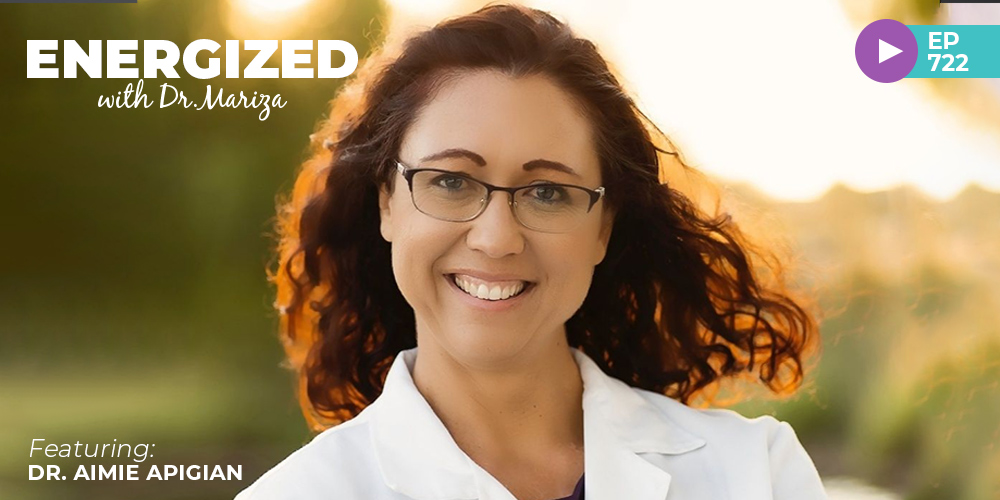
722: Why Women Feel Unsafe Right Now: Trauma, Hormones & Protecting the Next Generation with Dr. Aimie Apigian

Listen to the Episode Here

Or, listen on your favorite app: iTunes (Apple Podcasts) | Stitcher | Spotify | Pocketcasts

Episode Summary

What if the breaking point so many of us are feeling right now is actually the beginning of profound healing and purpose? 

In this episode, returning guest and trauma expert Dr. Aimie Apigian helps you understand why so many conversations feel triggering—and how unresolved trauma, not just current events, may be at the root. 

We explore the difference between resolved and unresolved trauma, and why being activated is a sign your body is asking for deeper safety and support. 

We’re talking about shifting pain into meaningful action—whether that’s healing your body, setting boundaries, or standing up for change in a grounded way. 

Dr. Aimie breaks down her sequence of healing and explains the science behind how trauma is stored and how it can truly be resolved. 

Tune in here to go from overwhelmed to empowered!

Aimie Apigian, MD 

Dr. Aimie Apigian is a double-board-certified physician in Preventive and Addiction Medicine with double Master’s degrees in biochemistry and public health. She’s the leading medical expert on how trauma becomes our biology and what to do once it creates a chronic health condition. She hosts a podcast, a YouTube channel, and online Summits, working with experts in the health and trauma space. She also leads groups through her programs to address stored trauma in the body, and teaches practitioners to do the same in her Biology of Trauma online Training.

IN THIS EPISODE

1. Discovering new layers of unresolved trauma 

2. Creating safe spaces to ask the hard questions

3. How to make your children feel safe to share their feelings  

4. The biology behind why we can feel re-triggered

5. Creating safety & mentally supporting yourself through hard times

6. Resetting your nervous system to feel safe in your body 

7. How to support & show up for each other through uncertain times

8. Dr. Aimie’s guide on healing stored trauma & more resources for you 

QUOTES

“Don’t do anything alone. This is where a tribe, a group of people, can make a tremendous difference in the world.”

“Healing is not staying small to stay safe. It’s finding that safety, but then layering in the support on a biology level, on a somatic level, on a mind level. Those are all the three levels that allow our mind and body to have the energy to actually process.”

“When we’ve had this past trauma, our brain likes to put things into those kinds of boxes. so being able to step back and learn over time that while it’s important to speak up, it’s also important to choose who I share those things with because it’s not meant for everybody.”

RESOURCES MENTIONED

Order my latest book: The Perimenopause Revolution

Dr. Aimie’s book: The Biology of Trauma

Dr. Aimie’s Socials: 

Dr. Aimie’s Website

Instagram

Facebook

LinkedIn 

YouTube

RELATED EPISODES 

681: The Biology of Trauma: How Stress Gets Stored in Your Body (and Passed On to Your Kids) and How You Can Start To Heal with Dr. Aimie Apigian

720: Why No One Talks About Loneliness in Midlife—And Why It’s Not Just You 

717: “I Don’t Feel Like Myself Anymore”: The Mental & Emotional Reality of Perimenopause

702: How to Heal Trauma and Rebuild Trust Through Connectability with Anna Runkle

Free Download: Easy, Practical Tips to Get More Energy!

Download the free Energy-Boosting Cheat Sheet now to learn how to unlock abundant health and energy that lasts—in only seconds every day!
Read More