

Archive | Podcast

EP 741 (1)

741: Estrogen, Gut Health, Mitochondria, and Cardiovascular Health: What Changes In Perimenopause with Dr. Siobhan Mitchel

Listen to the Episode Here

Or, listen on your favorite app: iTunes (Apple Podcasts) | Stitcher | Spotify | Pocketcasts

Episode Summary

“Why does your body stop responding… even when you’re doing everything right?”

In this episode, Dr. Mariza sits down with Siobhan Mitchell to unpack the true metabolic and cellular shifts happening in perimenopause and menopause.

So many women feel like their body has suddenly turned against them—weight gain, fatigue, brain fog, and rising inflammation—despite doing all the right things. But this isn’t a failure of effort. It’s a biological inflection point driven by declining estrogen and its impact on metabolism, mitochondria, and vascular health.

Together, they break down how estrogen loss reshapes everything from blood sugar control to fat storage, mitochondrial function, and long-term cardiovascular risk—while also exploring the emerging role of gut health and phytoestrogens like S-equol as targeted support.

If you’ve been working harder than ever with fewer results, this episode will help you understand why—and what to do instead.

Be sure to tune in!

SIOBHAN MITCHEL

Dr. Siobhan Mitchel, PhD, is a neuroscientist and Chief Scientific Officer at MitoQ. Her work focuses on mitochondrial health, cellular energy, and the role of oxidative stress in aging—particularly in women navigating perimenopause and menopause. She is passionate about advancing research that supports women’s long-term health, metabolism, and resilience at the cellular level.

IN THIS EPISODE

  • Why your body stops responding the same way in perimenopause
  • How estrogen loss impacts metabolism, fat storage, and blood sugar
  • The role of mitochondria in energy, brain function, and weight changes
  • Why visceral belly fat increases—and why it’s more dangerous
  • The connection between gut health, estrogen metabolism, and inflammation
  • How phytoestrogens (like S-equol) support metabolism and hormone signaling
  • Why midlife is a metabolic and vascular inflection point—not just hormonal

QUOTES

“This isn’t a failure of effort—it’s a biological shift happening beneath the surface.”

“When estrogen declines, you don’t just lose hormones—you lose metabolic protection.”

“If you support your mitochondria, you support your energy, your metabolism, and your long-term health.”

RESOURCES MENTIONED

Order my new book: The Perimenopause Revolution

Use code ENERGIZED and get 10% off MitoQ

MitoQ Instagram

MitoQ Facebook

MitoQ Youtube

RELATED EPISODES 

693: The Cellular Shift in Perimenopause: Mitochondria, Metabolism, and Energy

728: Why Brain Fog Isn’t Random: The Hormone Shift Behind It

717: “I Don’t Feel Like Myself Anymore”: The Mental & Emotional Reality of Perimenopause

705: The Metabolic Shift No One Warned You About in Midlife

Free Download: Easy, Practical Tips to Get More Energy!

Download the free Energy-Boosting Cheat Sheet now to learn how to unlock abundant health and energy that lasts—in only seconds every day!

Read More
EP 740 (2)

740: Why You’re Bloated, Gaining Weight & Feeling Off in Menopause (It Starts in Your Gut) with Cynthia Thurlow

Listen to the Episode Here

Or, listen on your favorite app: iTunes (Apple Podcasts) | Stitcher | Spotify | Pocketcasts

Episode Summary

“Is it really just hormones… or is your gut driving the symptoms?”

In this episode, Dr. Mariza sits down with Cynthia Thurlow to unpack the powerful connection between gut health and hormones in midlife.

Many women are told their bloating, weight gain, fatigue, and mood shifts are “just hormones.” But Cynthia explains that the gut microbiome plays a central role in how these symptoms show up—and how they can be improved.

Together, they break down how gut health influences hormones, inflammation, metabolism, and brain function, while also highlighting the foundational habits that matter most in this season.

If you’ve been feeling off and unsure where to focus, this episode will give you clarity and a smarter path forward.

Be sure to tune in!

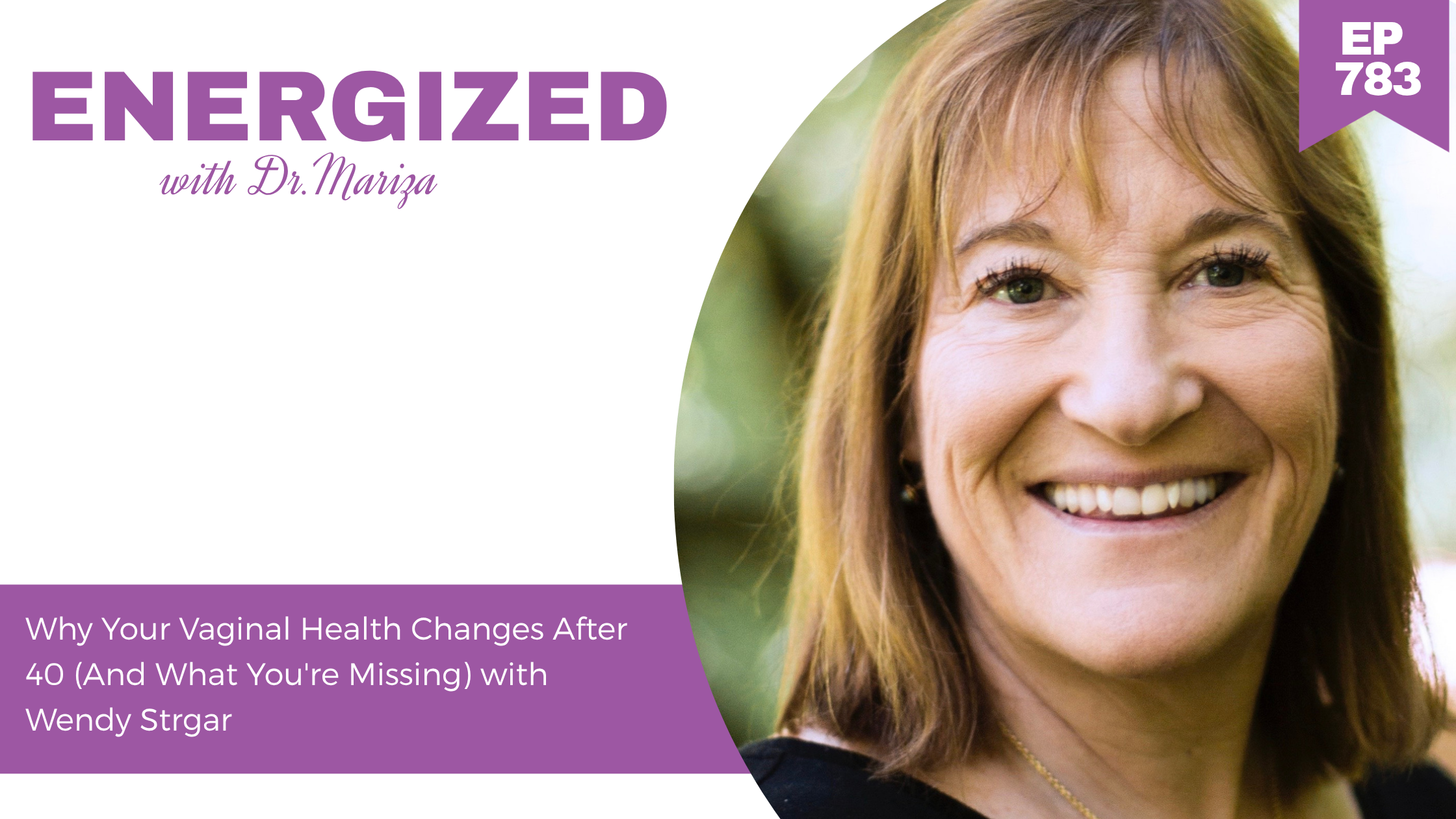
Cynthia Thurlow

Cynthia Thurlow is a nurse practitioner, intermittent fasting expert, and leading voice in metabolic health for women in midlife. With a background in cardiology, she now focuses on helping women navigate perimenopause and menopause through personalized nutrition, gut health, and lifestyle strategies. She is the author of The Menopause Gut and a passionate advocate for empowering women to take control of their health during this pivotal transition.

IN THIS EPISODE

  • Why so many women feel disconnected from their bodies in midlife
  • How the gut microbiome influences hormones, inflammation, and metabolism
  • The “Three Ps” shaping gut health: puberty, pregnancy, and perimenopause
  • The link between leaky gut, food sensitivities, mood, and inflammation
  • Why protein, fiber, sleep, and stress support become nonnegotiable
  • How alcohol and sugar disrupt gut health, sleep, and resilience
  • Why midlife is a critical window to build long-term health—not just manage symptoms

QUOTES

“Midlife isn’t just a hormonal shift—it’s a metabolic and microbial shift happening beneath the surface.”

“When you support your gut, you’re not just improving digestion—you’re impacting your hormones, your brain, and your long-term resilience.”

“This phase of life is an invitation to set boundaries, prioritize your needs, and finally major in what matters most.”

RESOURCES MENTIONED

Order my new book: The Perimenopause Revolution

Order Cynthia’s book: The Menopause Gut 

Use code ENERGIZED and get 10% off on your Troscription Order

Cynthia Thurlow’s Website

Cynthia Thurlow on Instagram

RELATED EPISODES 

717: “I Don’t Feel Like Myself Anymore”: The Mental & Emotional Reality of Perimenopause

728: Why Brain Fog Isn’t Random: The Hormone Shift Behind It

701: The Gut–Hormone Connection: Why Your Symptoms Aren’t Just Hormones

689: Blood Sugar, Inflammation, and the Midlife Metabolism Shift

Free Download: Easy, Practical Tips to Get More Energy!

Download the free Energy-Boosting Cheat Sheet now to learn how to unlock abundant health and energy that lasts—in only seconds every day!
Read More
EP 739 (1)

739: You Can Reverse Brain Aging in 12 Weeks (Here’s How) with Dr. Majid Fotuhi

Listen to the Episode Here

Or, listen on your favorite app: iTunes (Apple Podcasts) | Stitcher | Spotify | Pocketcasts

Episode Summary

“Is this brain fog… or something more?”

In this episode, brain expert Dr. Majid Fotuhi explains how perimenopause is a true neuroendocrine transition, where shifting hormones can temporarily impact memory, focus, sleep, and mood—often leaving women worried they’re experiencing early cognitive decline. 

The good news? These changes are typically transient, and as hormones stabilize, the brain can return to its baseline function. 

Dr. Fotuhi shares that what many women are experiencing is not the beginning of the end, but a normal phase—and one that can be supported with the right lifestyle and brain-health strategies. 

If you’ve been feeling “off” mentally and wondering what it means for your future, this episode will bring you the peace of mind you need. 

Be sure to tune in!

Majid Fotuhi

Dr. Majid Fotuhi serves as an adjunct professor at the Mind/Brain Institute at Johns Hopkins University and teaches at George Washington University and Harvard Medical School. With 37 years of experience in teaching, clinical practice, and neuroscience research, Dr. Fotuhi has pioneered a multidisciplinary approach to enhancing brain vitality and cognitive performance at any age. His groundbreaking “Brain Fitness Program” combines a comprehensive baseline “Brain Portfolio” assessment with 12 bi-weekly brain training sessions. He’s the author of three books and is recognized as one of the leading experts in memory and successful aging. 

IN THIS EPISODE

  1. The 5 pillars of brain health to boost everyday brain function 
  2. The benefits of physical activity on your brain health 
  3. How the food you eat directly impacts your brain 
  4. Preventative health practices for protecting your brain
  5. Prioritizing quality sleep and circadian rhythm optimization 
  6. Mindset and brain training to help keep your brain young
  7. About Dr. Fotuhi’s latest book- The Invincible Brain 

QUOTES

“Exercise is the only intervention that has been shown to increase the number of cells in the hippocampus, which is a memory part of the brain. No other intervention increases the number of brain cells… exercise is the fountain of youth, the miracle cure for so many problems, psychological, physical, and it’s a no-brainer.” 

“Lifestyle choices and how you live your day, hour to hour, make a difference in what your brain would look like in the future. And if you do a lot of good things in a short period of time, you can see significant improvements.”

“84% of our patients had objective improvements in the cognitive test, but pretty much a hundred percent improved in some ways. They felt better, they slept better, they had more energy, they had a better positive outlook toward the future. Everybody improved.”

RESOURCES MENTIONED

Order my new book: The Perimenopause Revolution

Order Dr. Fotuhi’s latest book: The Invincible Brain

Dr. Fotuhi’s Website

Dr. Fotuhi on Instagram

RELATED EPISODES 

728: Why Brain Fog Isn’t Random: The Hormone Shift Behind It

667: The Hidden Foods and Habits Fueling Brain Inflammation And How to Reverse It Naturally with Dr. Austin Perlmutter

668: Your Brain on Perimenopause: The Hidden Neurological Transition No One Warns You About

717: “I Don’t Feel Like Myself Anymore”: The Mental & Emotional Reality of Perimenopause

Free Download: Easy, Practical Tips to Get More Energy!

Download the free Energy-Boosting Cheat Sheet now to learn how to unlock abundant health and energy that lasts—in only seconds every day!
Read More
Energized-podcast-Dr.-Natalie-Crawford

738: The Hidden Link Between Inflammation, Hormones & Fertility with Dr. Natalie Crawford 

Listen to the Episode Here

Or, listen on your favorite app: iTunes (Apple Podcasts) | Stitcher | Spotify | Pocketcasts

Episode Summary

Fertility is a powerful reflection of your overall health—not a separate or isolated system.

In this episode, fertility expert Dr. Natalie Crawford breaks down what’s really happening physiologically as fertility shifts in midlife, connecting the dots between hormones, metabolism, inflammation, and egg quality. 

We dive into the everyday habits quietly disrupting fertility—from chronic stress and blood sugar imbalances to inflammation—and how these factors directly impact ovulation and hormone signaling. 

Dr. Crawford also cuts through the noise around age, offering a more nuanced, science-backed perspective on what you can actually do to support your fertility at any stage. 

You’ll learn that it’s the simple shifts each month that can make a meaningful difference starting now. 

Ready to support your body from the inside out? Tune in here!

Natalie Crawford, MD 

Dr. Natalie Crawford is board-certified in both Obstetrics and Gynecology and Reproductive Endocrinology and Infertility and is co-founder of Fora Fertility, a boutique fertility practice in Texas. She’s the CEO and co-founder of Pinnacle, a professional network for women in medicine. Dr. Crawford is a digital health educator on social media and hosts the podcast  “As a Woman” with over 6 million downloads. Her new book, “The Fertility Formula”, will be released this spring. 

IN THIS EPISODE

  1. How is fertility a reflection of your body’s overall environment? 
  2. Accurate cycle tracking and what signals to pay attention to 
  3. Factors that disrupt fertility and how to catch issues early on 
  4. How inflammation and metabolic health are deeply tied to fertility 
  5. 5 non-negotiables when it comes to women’s health and wellness
  6. High-impact changes to help support your fertility 
  7. Fertility recommendations for women 35 and older 
  8. Dr. Crawford’s fertility story and how to get her new book, The Fertility Formula

QUOTES

“The follicular phase and luteal phase are the two phases of the cycle, and learning to track your ovulation specifically is a really important tool because the early stages of ovulatory dysfunction all occur within a normal cycle, meaning the first stage is a short luteal defect.”

“I can’t control everything, but I want to control what I can, so I have the easiest time getting pregnant, I feel my best, I have the best odds of success if I have to do fertility treatments. That’s the zone we want to live in, and we want to lower that inflammatory burden on the day-to-day, not to be all or nothing, but to really cultivate that body resilience so we can handle the challenges of life that we know are coming.”

“It’s your body’s data. You’re gonna find out one way or another, and I think you deserve to know it sooner.”

RESOURCES MENTIONED

Order my new book: The Perimenopause Revolution

Pre-orderThe Fertility Formula

Dr. Natalie Crawford on socials: 

Instagram

TikTok

YouTube

Dr. Crawford’s Podcast: As A Woman

RELATED EPISODES 

691: The Fertility Crisis No One Talks About: Why Your Health Today Impacts Future Generations with Dr. Ann Shippy

530: The Critical Role That Nutrient Deficiencies Play In Fertility and Conception And How To Close The Gap with Lisa Dreher

687: The Period Brain: Why You Feel Like a Different Person Every Month And How To Stop Fighting Your Cycle and Start Thriving in It with Sarah Hill

735: The Stress–Metabolism Connection: Why You’re Gaining Weight, Craving Sugar & Struggling with Energy

Free Download: Easy, Practical Tips to Get More Energy!

Download the free Energy-Boosting Cheat Sheet now to learn how to unlock abundant health and energy that lasts—in only seconds every day!
Read More
Energized-podcast-Dr.-Melissa-Sonners

737: Why You Still Feel Off in Midlife (Even When You’re Doing Everything Right) with Dr. Melissa Sonners

Listen to the Episode Here

Or, listen on your favorite app: iTunes (Apple Podcasts) | Stitcher | Spotify | Pocketcasts

Episode Summary

How do you retrain your brain and nervous system to seek out safety, joy, and alignment?

In this episode, mind-body alignment expert Dr. Melissa Sonners shares practical ways for midlife women to regulate their nervous system and find calm—even in the chaos of everyday life. 

She explains how many of us are unknowingly stuck in a stress-driven state, constantly scanning for what’s wrong, and how this pattern is reinforced by the questions we ask ourselves each day. 

Through her simple but powerful tools, she’ll help you learn to easily reset your nervous system and prevent burnout before it builds. 

Rather than waiting until the end of the day to relax (and realizing we can’t), she emphasizes creating moments of regulation in real time so we can be more present with our families and actually feel the joy in those everyday interactions. 

If you’re navigating the messy middle of midlife and craving more calm, presence, and connection, this episode is for you! 

Dr. Melissa Sonners

Dr. Melissa Sonners is a chiropractor and mind-body alignment expert who helps women reconnect with themselves. As the host of the Be Inspired Mama Podcast and founder of Best Friends Book Nook, she creates spaces for self-growth without adding to busy schedules. After overcoming neurological Lyme disease, she discovered the power of small, intentional shifts for transformation. Now, she empowers women to turn inward for confidence and joy. Her upcoming book, The Connection Code, coming in April 2026 with Hay House Publishing, will guide women toward deeper alignment in their lives.

IN THIS EPISODE

1. Navigating the subtle and not-so-subtle symptoms of perimenopause 

2. Healthy communication in midlife as things are shifting 

3. Understanding and verbalizing your needs throughout your cycle 

4. Helpful ways to manage stress in midlife 

5. Getting clear on your values, especially in perimenopause and beyond 

6. Clarifying your non-negotiables and tapping into what feels best

7. About Book Nook, Dr. Sonners’ Virtual Book Club Community 

8. Using reading as a method of nervous system regulation 

QUOTES

“We always hear and we always know how much stress can impact your health. But I lived it, and I realized that stress was the catalyst for me getting as sick as I got.”

“Core values become your guiding principles. So when you have decision fatigue at any time, you don’t have to think about it or make an emotional decision. You [say]: whatever one fits this value.”

“When you grab a book in the morning and you sit with it and you use it as an anchor tool, it trains your nervous system. Calm is safe. And that regulation is familiar. And when you do that in the morning, you’re seeding your nervous system to find it throughout the day.”

RESOURCES MENTIONED

Order my newest book: The Perimenopause Revolution HERE! 

Dr. Sonner’s Website

Pre-order The Connection Code

Dr. Soner’s Podcast: Be Inspired Mama

Dr. Sonner on Instagram

Dr. Sonner on YouTube

RELATED EPISODES 

735: The Stress–Metabolism Connection: Why You’re Gaining Weight, Craving Sugar & Struggling with Energy

724: Age Like A Girl: Why Midlife Women Stop Shrinking and Start Leading with Dr. Mindy Pelz 

721: No, It’s Not All in Your Head: The Medical Truth About Perimenopause with Dr. Jila Senemar

720: Why No One Talks About Loneliness in Midlife—And Why It’s Not Just You 

717: “I Don’t Feel Like Myself Anymore”: The Mental & Emotional Reality of Perimenopause

Free Download: Easy, Practical Tips to Get More Energy!

Download the free Energy-Boosting Cheat Sheet now to learn how to unlock abundant health and energy that lasts—in only seconds every day!
Read More