Tag Archives | perimenopause

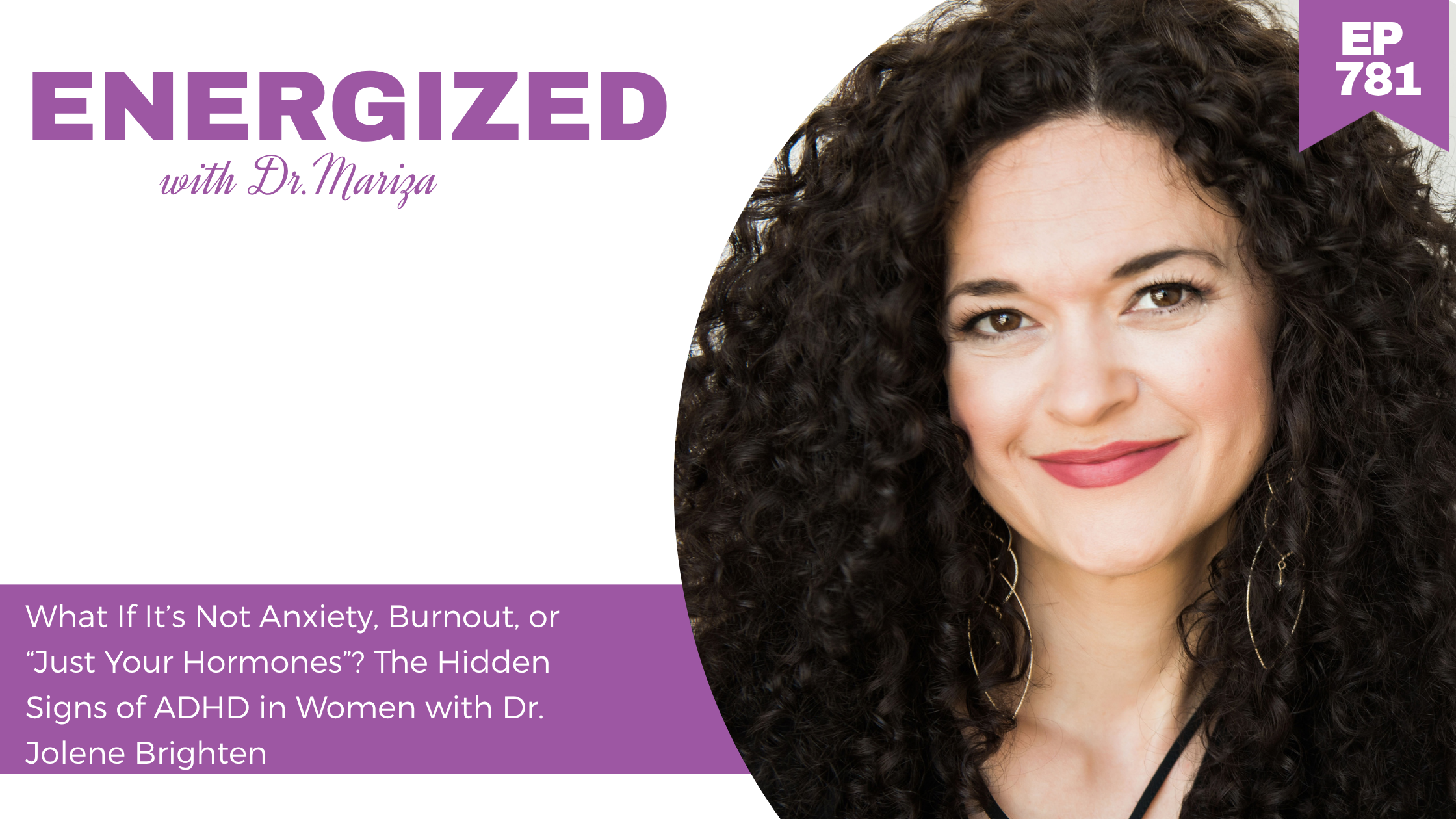
EP 781

781: What If It’s Not Anxiety, Burnout, or “Just Your Hormones”? The Hidden Signs of ADHD in Women with Dr. Jolene Brighten

Listen to the Episode Here

Or, listen on your favorite app: YouTube | iTunes (Apple Podcasts) | Spotify | Amazon Music | iHeartRadio | Pocketcasts

Episode Summary

What if the brain fog, overwhelm, time blindness, racing thoughts, and shorter emotional fuse showing up in your 40s aren’t just perimenopause?

For many women, ADHD has been hiding in plain sight for decades.

In this episode, Dr. Mariza sits down with women’s hormone expert and author Dr. Jolene Brighten to unpack why ADHD looks so different in women, why so many girls learn to mask their symptoms, and why changing estrogen levels during perimenopause can make those coping strategies suddenly stop working.

Dr. Brighten explains how ADHD in women may look less like the stereotypical hyperactive child and more like people-pleasing, perfectionism, constantly running mental lists, interrupting because you’re afraid you’ll forget your thought, chronic overwhelm, and appearing completely put together while internally struggling.

They also dive into the fascinating overlap between ADHD, perimenopause, PMDD, sleep, mitochondrial function, glucose metabolism, neuroinflammation, and emotional regulation.

And perhaps most importantly, they discuss what women can actually do: how movement can support brain energy, why sleep matters so much for the ADHD brain, how to build habits that work with your executive function instead of against it, and exactly how to advocate for a proper evaluation when your concerns are dismissed.

Because if your brain suddenly feels harder to manage in midlife, there may be more going on than “just hormones.”

DR. JOLENE BRIGHTEN

Dr. Jolene Brighten is a board-certified naturopathic endocrinologist, women’s hormone expert, educator, and bestselling author whose work focuses on helping women better understand the relationship between their hormones, brain, and overall health.

Her newest book, ADHD and Women: A Guide to Optimizing Your Hormones and Thriving with ADHD, explores how female hormones can influence ADHD symptoms throughout puberty, the menstrual cycle, pregnancy, postpartum, and perimenopause.

In this conversation, Dr. Brighten brings both clinical expertise and personal experience to the complicated intersection of ADHD, hormonal transitions, PMDD, emotional regulation, sleep, and women finally receiving answers after decades of believing they simply needed to try harder.

IN THIS EPISODE

  1. Why ADHD in women can hide behind people-pleasing, perfectionism, and looking “high-functioning”
  2. How declining estrogen in perimenopause can make masking ADHD symptoms much harder
  3. Why girls with ADHD are often diagnosed with anxiety or depression instead
  4. The connection between ADHD, mitochondrial function, brain glucose metabolism, and neuroinflammation
  5. Why movement can temporarily improve focus and cognitive performance in the ADHD brain
  6. How sleep disruption can compound brain fog, emotional dysregulation, and ADHD symptoms
  7. Why ADHD and PMDD so often overlap and may worsen during perimenopause
  8. How hormones may influence impulsivity, mood, executive function, and premenstrual ADHD symptoms
  9. What to track and say to your doctor if you suspect ADHD but keep getting dismissed

QUOTES

“Build pleasure into your day.”

“It is not just a hormone story.”

“High functioning is the label that society puts on women so that they can feel comfortable asking for more from her.”

RESOURCES MENTIONED

Stop surviving and start thriving, join Midlife on Fire Collective now

Join my brand-new Substack: for the woman everyone depends on who is wondering why everything feels harder in midlife:

ADHD and Women by Dr. Jolene Brighten

Dr. Jolene Brighten Website

Dr. Jolene Brighten Substack

Dr. Jolene Brighten Instagram

RELATED EPISODES 

769: Is It Perimenopause or Something Else? How to Finally Connect the Dots with Dr. Mariza

763: Why So Many High-Functing and Achieving Women Miss the Signs of Hormone Imbalance with Anastasia Sartan

744: The Midlife Brain Reset: How to Protect Your Memory, Focus, and Mental Sharpness Starting Now

661: When “Normal” Isn’t Normal: How to Be Heard (and Taken Seriously) at the Doctor’s Office

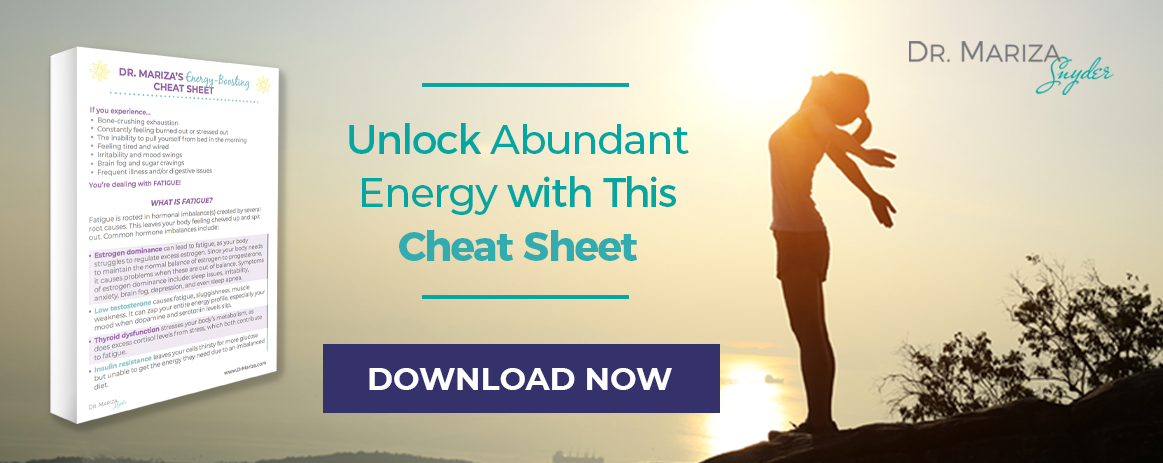
Free Download: Easy, Practical Tips to Get More Energy!

Download the free Energy-Boosting Cheat Sheet now to learn how to unlock abundant health and energy that lasts—in only seconds every day!

Read More
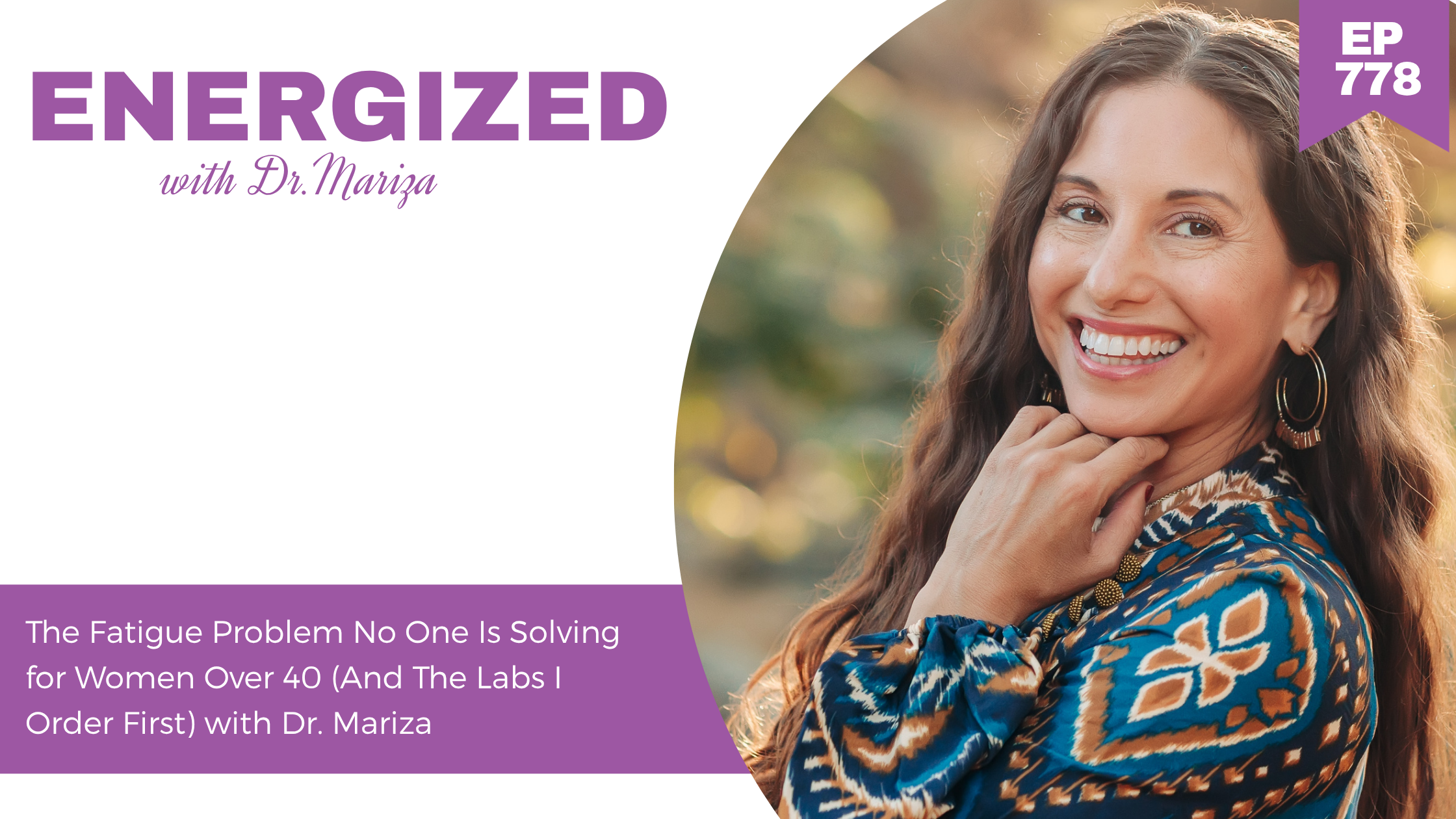
EP 778

778: The Fatigue Problem No One Is Solving for Women Over 40 (And The Labs I Order First)

Listen to the Episode Here

Or, listen on your favorite app: iTunes (Apple Podcasts) | Stitcher | Spotify | Pocketcasts

Episode Summary

You’re exhausted by 2 or 3 PM. Your workouts suddenly wipe you out. Your hair is shedding, your brain feels foggy, and even climbing a flight of stairs leaves you more winded than it used to.

Then you finally ask for help and hear: “Your labs are normal.”

In this solo episode, Dr. Mariza breaks down one of the most commonly missed contributors to persistent fatigue in women: iron deficiency, even before anemia develops. She explains newly released American Society of Hematology ferritin thresholds and why women who were previously told their iron was “normal” may deserve a closer look.

But iron is only one part of the conversation.

Dr. Mariza walks through the bigger clinical picture she considers when a woman says, “I don’t feel like myself anymore,” including thyroid function, mitochondrial energy production, blood sugar, sleep, nutrition, stress physiology, and HPA-axis regulation.

Most importantly, she explains why fatigue is a symptom, not a diagnosis and why neither stress, aging, nor perimenopause should automatically become the explanation for everything you’re experiencing.

Listen now to learn what may be hiding behind your exhaustion and how to have a more productive conversation with your healthcare provider.

IN THIS EPISODE

  1. Why iron deficiency can exist before you become anemic
  2. The new ferritin thresholds women should know about
  3. Why a lab’s reference range and a diagnostic threshold are not always the same thing
  4. Why heavy perimenopausal periods can increase your risk of depleted iron stores
  5. The fatigue, brain fog, headaches, hair shedding, and exercise intolerance that can overlap with perimenopause
  6. How iron, thyroid hormones, nutrition, blood sugar, sleep, and recovery influence mitochondrial energy production
  7. Why “adrenal fatigue” oversimplifies what may actually be happening with the HPA axis
  8. How under-fueling, over-training, poor sleep, circadian disruption, illness, and caffeine can add to the body’s total stress load
  9. The questions to ask when you know something has changed but your labs keep coming back “normal”

QUOTES

“You can be iron deficient before you ever become anemic.”

“Two things can be true at once.”

“I don’t want mitochondrial dysfunction to become another vague label we give an exhausted woman.”

RESOURCES MENTIONED

Find inspiration, connection, and meaningful reads. Join the Book Club now!

Order my newest book: The Perimenopause Revolution

Stop surviving and start thriving, join Midlife on Fire Collective now

RELATED EPISODES 

769: Is It Perimenopause or Something Else? How to Finally Connect the Dots with Dr. Mariza

664: The Hidden Reason You’re Exhausted: How to Fix Cortisol and Boost Stress Resilience in Perimenopause

661: When “Normal” Isn’t Normal: How to Be Heard (and Taken Seriously) at the Doctor’s Office

755: What If Your Body Isn’t Broken, Just Undernourished? The Missing Link Between Nutrients, Hormones & Energy with Ryan Woodbury

Free Download: Easy, Practical Tips to Get More Energy!

Download the free Energy-Boosting Cheat Sheet now to learn how to unlock abundant health and energy that lasts—in only seconds every day!
Read More
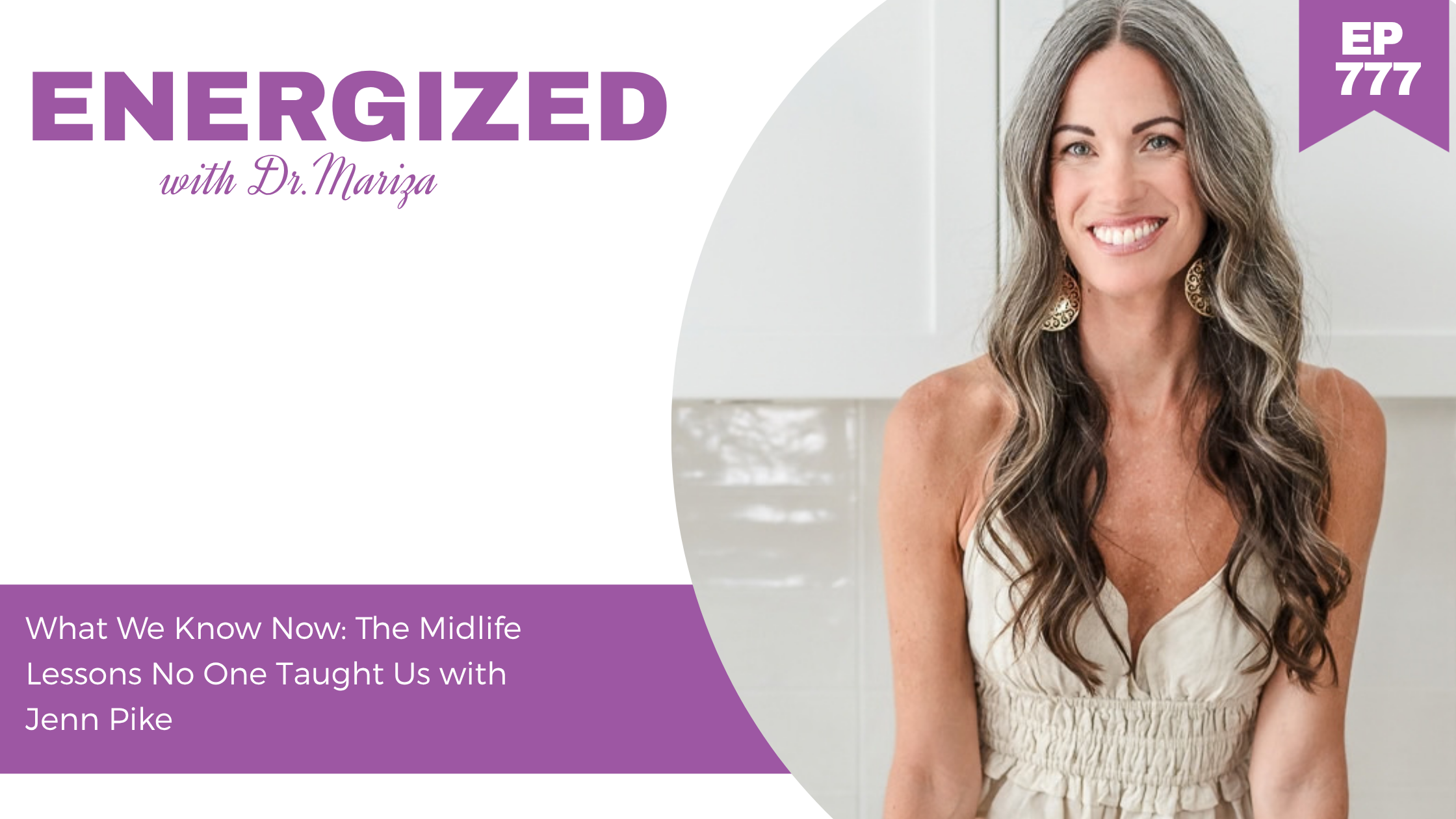
EP 777

777: What We Know Now: The Midlife Lessons No One Taught Us with Jenn Pike

Listen to the Episode Here

Or, listen on your favorite app: iTunes (Apple Podcasts) | Stitcher | Spotify | Pocketcasts

Episode Summary

What happens when the woman who has always been able to handle everything suddenly realizes her body won’t let her operate that way anymore?

In this episode, Dr. Mariza sits down with functional diagnostic nutritionist, medical exercise specialist, bestselling author, and women’s health educator Jenn Pike for a deeply personal conversation about the capacity shift that can happen in perimenopause.

Jenn shares the subtle signs she noticed in her late 30s: alcohol suddenly disrupting her sleep, slower workout recovery, increased soreness, less patience, and a shorter emotional fuse. Eventually, she realized she wasn’t simply stressed. Her body needed her to operate differently.

They unpack what happened when Jenn stopped forcing intense workouts, began respecting her changing energy, reduced her workload, asked for help, and started saying no, even when disappointing people felt uncomfortable.

But this conversation goes even deeper into the identity so many high-functioning women carry: “I’ve got this. I don’t need help.”

Listen now to discover why perimenopause may be an invitation to protect your energy, trust your body, and stop treating exhaustion as the price of a full life.

JENN PIKE

Jenn Pike is a functional diagnostic nutritionist, medical exercise specialist, bestselling author, and women’s health educator who has spent years helping women in perimenopause and menopause better understand their hormones and bodies.

She is also the host of The Simplicity Sessions podcast. In this conversation, Jenn shares her own experience of entering perimenopause in her late 30s and how it forced her to rethink exercise, work, motherhood, boundaries, identity, and the belief that she always had to be the one who could handle everything.

IN THIS EPISODE

  1. The subtle perimenopause signs Jenn started noticing before age 40
  2. Why intense workouts stopped feeling good and how she changed her training
  3. What overstimulation and a shorter emotional fuse revealed about her capacity
  4. How overcommitment and constantly being needed contributed to burnout
  5. Why Jenn had to dramatically rethink how much she could put on her calendar
  6. Learning to ask for help, delegate, and disappoint people without falling apart
  7. Why perimenopause can bring your deepest patterns around productivity and self-worth back up for review
  8. How Jenn moved from being “smart” to feeling wiser, calmer, and more trusting of herself

QUOTES

“The nutrient is actually doing less, and figuring out how to do less better.”

“I taught people to expect that of me.”

“I don’t have to be that person to be loved.”

RESOURCES MENTIONED

Order my newest book: The Perimenopause Revolution

Join my brand new Substack: for the woman everyone depends on who is wondering why everything feels harder in midlife >>

The Simplicity Sessions Podcast

Jenn Pike Website

Jenn Pike Instagram

RELATED EPISODES 

776: What Changes When Your Body Can’t Keep Pushing Like It Used To? With Dr. Taz Bhatia

775: Wide Awake at 3 A.M.? What’s Really Disrupting Your Sleep in Midlife with Morgan Adams

774: Training for Your Grandma Self: How to Build a Body That Lasts

769: Is It Perimenopause or Something Else? How to Finally Connect the Dots with Dr. Mariza

Free Download: Easy, Practical Tips to Get More Energy!

Download the free Energy-Boosting Cheat Sheet now to learn how to unlock abundant health and energy that lasts—in only seconds every day!

Read More
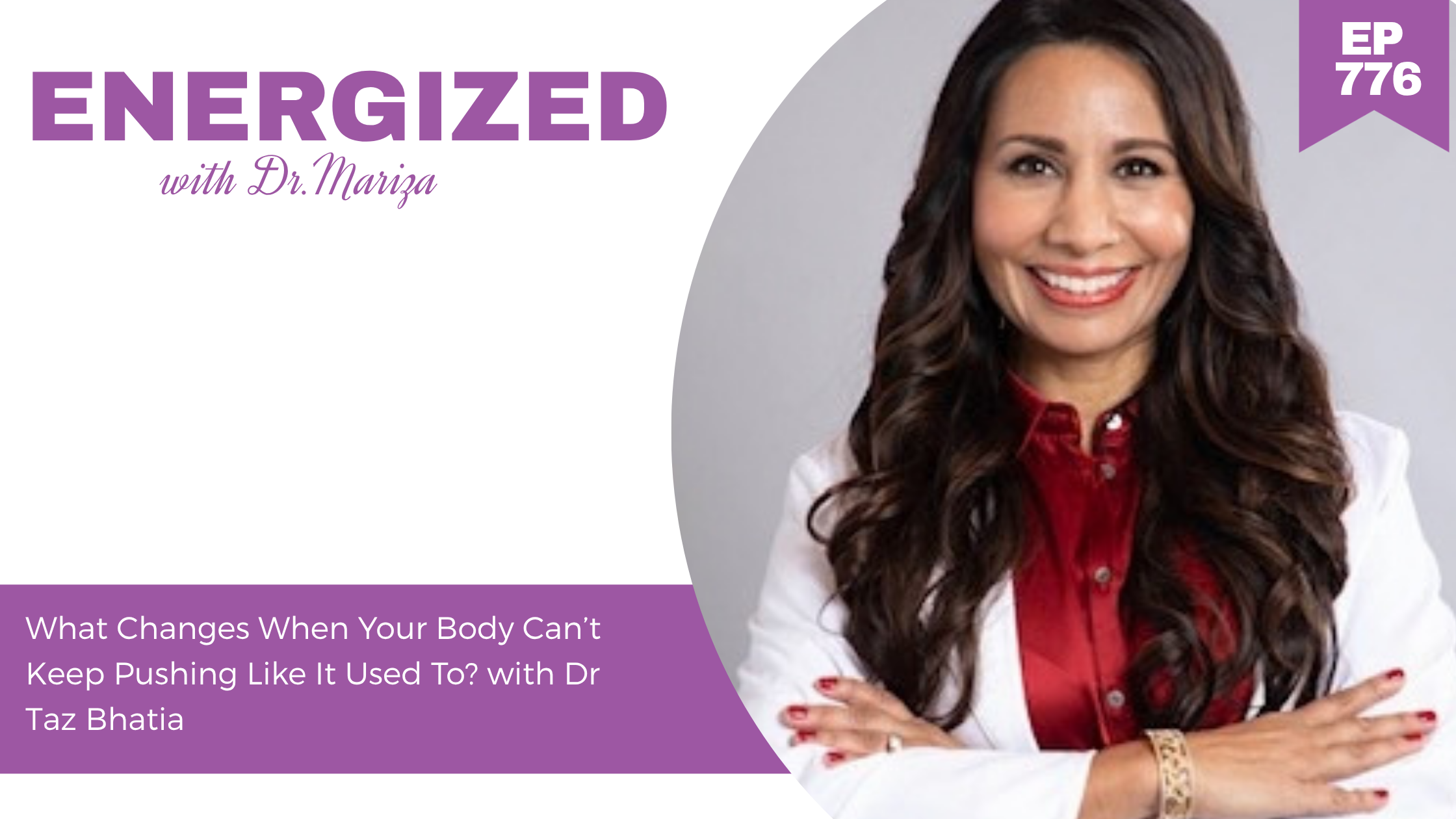
EP 776

776: What Changes When Your Body Can’t Keep Pushing Like It Used To? With Dr. Taz Bhatia

Listen to the Episode Here

Or, listen on your favorite app: iTunes (Apple Podcasts) | Stitcher | Spotify | Pocketcasts

Episode Summary

What if perimenopause isn’t simply changing your hormones, but revealing everything your body has been compensating for for years?

In this episode, Dr. Mariza sits down with integrative medicine physician and women’s health expert Dr. Taz Bhatia for an incredibly personal conversation about what happens when the strategies that helped high-functioning women push through for decades suddenly stop working.

Dr. Taz shares how her own perimenopause began with incredibly heavy periods, fatigue, anemia, hair loss, mood changes, and unexpected weight gain.

But one of her biggest surprises came later: as progesterone and estrogen declined, her blood sugar, insulin, cholesterol, A1C, and liver enzymes began creeping upward, revealing just how interconnected hormones and metabolic health really are.

They also explore the emotional transformation of midlife: letting go of people-pleasing, protecting your energy, releasing the need to be the “good girl,” and becoming clearer about who you are and what deserves your attention.

Listen now to rethink perimenopause as an opportunity to understand your body, protect your health, and step powerfully into what comes next.

DR. TAZ BHATIA

Dr. Taz Bhatia is a board-certified integrative medicine physician, women’s health expert, and bestselling author of several books, including The Hormone Shift. Her work explores the connections between hormones, metabolism, stress, nutrition, and whole-body health.

Through her Whole Plus clinics and podcast, Dr. Taz advocates for a more collaborative approach to women’s health that looks beyond symptoms to cognitive, metabolic, cardiovascular, bone, mental, and hormonal health.

IN THIS EPISODE

  1. How extremely heavy periods became Dr. Taz’s first undeniable sign of perimenopause
  2. Why weight gain in midlife isn’t necessarily something women simply have to accept
  3. How estrogen and progesterone shifts can intersect with blood sugar, insulin, cholesterol, and visceral fat
  4. Why the “silent” cardiometabolic changes of menopause deserve more attention
  5. Why your body may stop tolerating the stress, sleep debt, and depletion you once pushed through
  6. How perimenopause helped Dr. Taz stop people-pleasing and build stronger boundaries
  7. Why knowing your own patterns and tracking changes can help you advocate for yourself
  8. How midlife can become an opportunity to redefine your identity, purpose, and power

QUOTES

Perimenopause is really where women come into their own.”

“These are not my battles. This is not my fight.”

“We gotta redefine what fine is.”

RESOURCES MENTIONED

Find inspiration, connection, and meaningful reads. Join my Soulful Shelf Book Club (no cost) here!

Join my brand new Substack: for the woman everyone depends on who is wondering why everything feels harder in midlife >>

The Hormone Shift by Dr. Taz Bhatia

The Superwoman Rx by Dr. Taz Bhatia

Dr. Taz Website

Dr. Taz Instagram

Hol+ Wellness Podcast

RELATED EPISODES 

775: Wide Awake at 3 A.M.? What’s Really Disrupting Your Sleep in Midlife with Morgan Adams

774: Training for Your Grandma Self: How to Build a Body That Lasts

771: Beyond Hot Flashes: The 103 Symptoms of Perimenopause No One Talks About with Andrea Donsky

769: Is It Perimenopause or Something Else? How to Finally Connect the Dots with Dr. Mariza

Free Download: Easy, Practical Tips to Get More Energy!

Download the free Energy-Boosting Cheat Sheet now to learn how to unlock abundant health and energy that lasts—in only seconds every day!
Read More
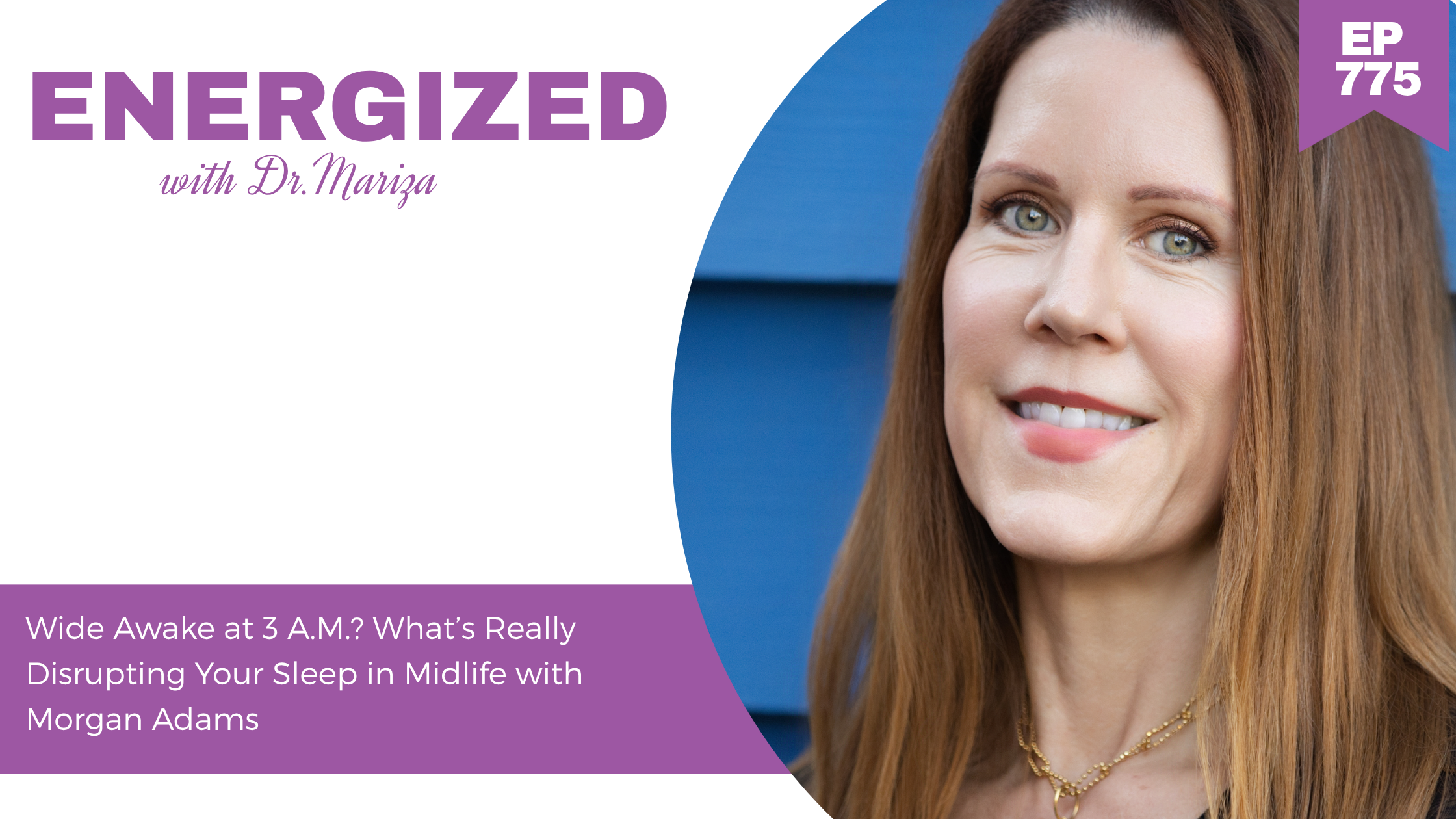
EP 775

775: Wide Awake at 3 A.M.? What’s Really Disrupting Your Sleep in Midlife with Morgan Adams

Listen to the Episode Here

Or, listen on your favorite app: iTunes (Apple Podcasts) | Stitcher | Spotify | Pocketcasts

Episode Summary

If you keep waking up at 2:00, 3:00, or 4:00 AM and can’t fall back asleep, your hormones may only be one piece of the puzzle.

In this episode, Dr. Mariza sits down with sleep expert Morgan Adams to unpack why sleep can suddenly fall apart in midlife and what you can actually do about it.

Morgan explains three major forces affecting women’s sleep: declining estrogen and progesterone, rising anxiety and depression, and the enormous demands of being part of the “sandwich generation,” often juggling a career, children, and aging parents simultaneously.

They dig into one of the biggest complaints among midlife women: middle-of-the-night wake-ups. From blood sugar dysregulation and overheating to overlooked breathing issues, Morgan reveals why repeatedly waking at the same time deserves a closer look.

You’ll also learn what not to do when you wake up, the cognitive trick that may interrupt 3 AM rumination, why your wearable can’t replace a sleep study, and whether sleeping separately from your partner could actually protect your health and your relationship.

Listen now for practical strategies to finally get the deeper, more restorative sleep your body needs.

MORGAN ADAMS

Morgan Adams is a sleep coach who helps women struggling with insomnia and disrupted sleep improve their sleep using evidence-based behavioral strategies.

Her work includes cognitive behavioral therapy for insomnia (CBT-I) principles and practical approaches to middle-of-the-night wake-ups, rumination, evening routines, and sleep optimization. In the episode, she also offers listeners a guide specifically for 3 AM wake-ups and an opportunity to connect with her about insomnia support.

IN THIS EPISODE

  1. Why sleep can suddenly fall apart for women in midlife
  2. What “revenge bedtime procrastination” is and why busy women do it
  3. The surprising reasons you may keep waking up around 3 AM
  4. How blood sugar dysregulation may contribute to nighttime wake-ups
  5. Why overheating may be disrupting your sleep even without night sweats
  6. The overlooked breathing problems that can leave healthy women exhausted
  7. What to do when your brain starts spiraling in the middle of the night
  8. Why a “sleep divorce” might actually become a sleep alliance

QUOTES

“My big thing is mindfulness snacks.”

“Sleeping separately doesn’t mean the marriage has failed.”

“It’s not a template. It’s really an individualized kind of puzzle that you kinda have to put together for yourself.”

RESOURCES MENTIONED

Find inspiration, connection, and meaningful reads. Join the Book Club now!

Awake Again at 3am by Morgan Adams

Morgan Adams Website

Morgan Adams Instagram

RELATED EPISODES 

774: Training for Your Grandma Self: How to Build a Body That Lasts

771: Beyond Hot Flashes: The 103 Symptoms of Perimenopause No One Talks About with Andrea Donsky

769: Is It Perimenopause or Something Else? How to Finally Connect the Dots with Dr. Mariza

750: The Underlying Cellular Cause of Midlife Fatigue, Brain Fog & Low Motivation with Andrew Salzman

Free Download: Easy, Practical Tips to Get More Energy!

Download the free Energy-Boosting Cheat Sheet now to learn how to unlock abundant health and energy that lasts—in only seconds every day!

Read More